Why timing matters more than luck
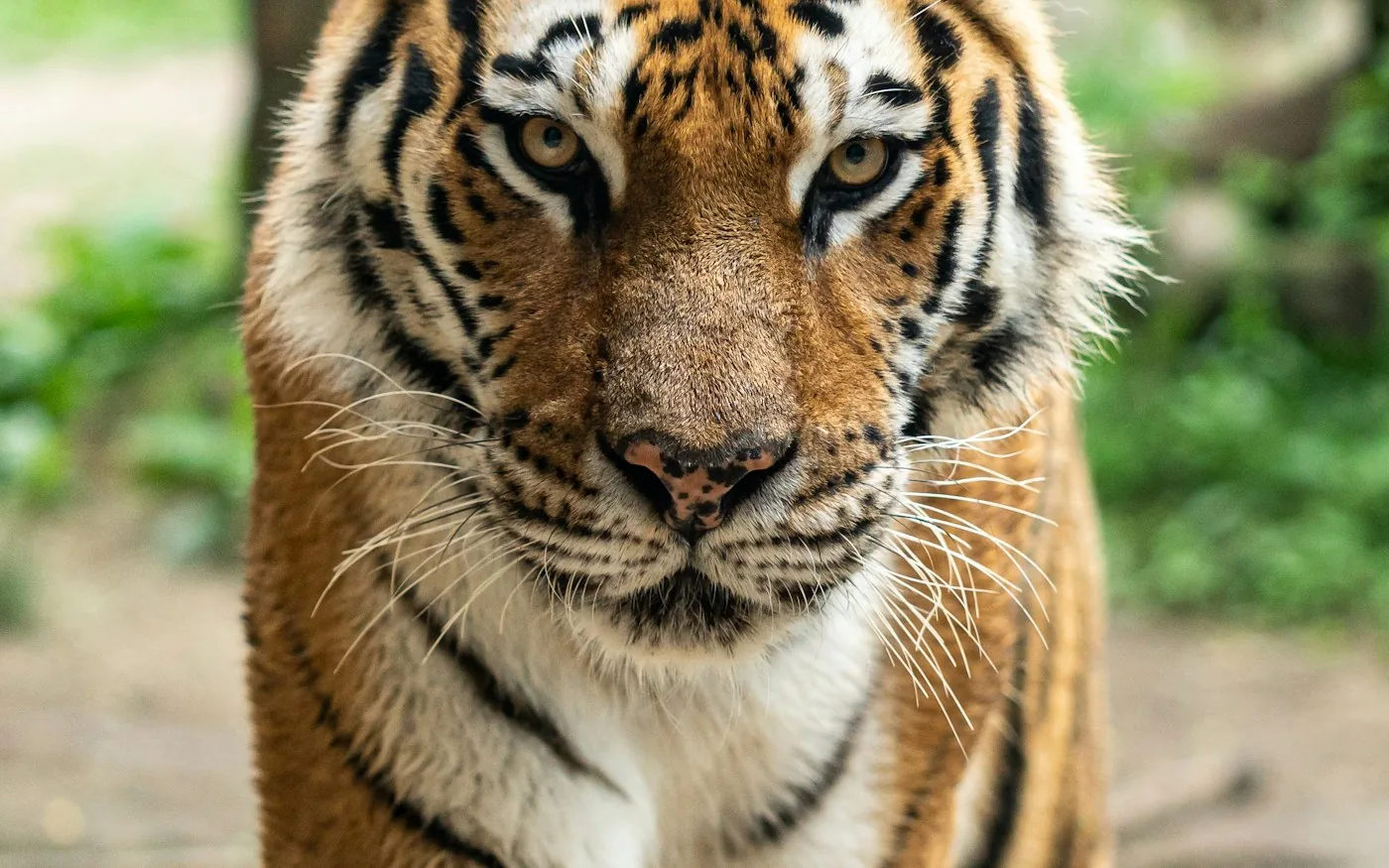
Tigers are territorial, solitary, and largely nocturnal by instinct, which is exactly why sightings feel unpredictable if you don’t know what to look for. But their movement through a reserve isn’t aimless. As the dry season progresses and water becomes scarce, tigers are forced to stay closer to the handful of remaining waterholes and rivers. Prey animals concentrate there too, which means predictable movement for both. In winter, water is plentiful across the whole park, so tigers have no real reason to stay put near any one spot, and a guide often has to cover a lot more ground to find one. In summer, with only a few water sources left, there’s simply less driving involved because the tiger’s likely location is far more predictable.
There’s a second factor working alongside water, and it’s just as important: how well you can actually see. Through winter and the early post-monsoon months, grass and undergrowth grow tall and dense, and a tiger can be resting a few metres off the track and stay completely hidden. By the height of summer, that same grass has been grazed down by prey or dried out and flattened by the heat, so even a tiger away from water is far easier to spot, and to get a clear, close view of. That’s really two forces pushing in the same direction come summer: tigers cluster closer to water, and there’s less vegetation left for them to disappear into.
Understanding this rhythm is the difference between a guide who tells you “just go whenever” and one who plans your safari around where the water is drying up and how much cover is left that particular week.
The two sighting seasons: heat vs. comfort
Most tiger reserves in India split fairly cleanly into two windows, and the trade-off between them comes down to what you’re optimising for.
Summer (March to mid-June): the highest odds, the highest heat. As temperatures climb into the 40s Celsius and forest cover thins out, tigers spend more time near waterholes in daylight hours, sometimes resting there for long stretches simply because there’s nowhere cooler to go. This is when sighting frequency peaks. It’s also physically demanding, with scorching midday heat and dusty, parched landscapes. If a sighting is your single priority and you can handle the heat, this window gives you the best statistical shot.
Winter (November to February): the more comfortable trade-off. Temperatures are pleasant, mornings are crisp and misty, and the forests are lush from the retreating monsoon. Sightings are still very respectable, just less concentrated than in peak summer, since tigers have more of the park to move through. This is also the season most families and first-time safari travellers prefer, and it tends to be the more scenic option for photography.
Both are valid answers to “when should I go.” It depends on whether you’re chasing the highest odds or the most comfortable experience.
Two forces push in the same direction come summer: tigers cluster closer to water, and there’s less vegetation left for them to disappear into.
Month-by-month breakdown
October, moderate. Parks reopen post-monsoon, forest is lush and green, but dense vegetation makes early sightings a bit elusive.
Nov–Dec, good. Comfortable weather, still-lush landscapes, activity rising as vegetation thins. Peak tourist crowds, book ahead.
Jan–Feb, good to very good. Cold mornings, thinning vegetation concentrates wildlife near water. Comfortable for long drives.
Mar–Apr, very good. Dry season sets in, water sources shrink, sightings climb sharply. Warm but manageable heat.
May–mid Jun, highest. Extreme heat (45°C+ in Ranthambore, Bandhavgarh). Tigers stay near remaining waterholes for long stretches.
Mid Jun–Sep, closed. Monsoon rains, core zones closed to protect the ecosystem. Some buffer zones stay open.
Core zones close through the monsoon; some buffer zones stay open with a different kind of experience.
Which parks shine in which season
Timing advice also shifts depending on which reserve you’re visiting, since terrain and water availability vary by region.
Known for relatively open terrain that makes sightings easier even outside peak summer. Strong from November through June, with April and May often producing exceptional sightings around its lakes.
One of the highest tiger densities in India. Reliable across the winter and summer season, with April considered particularly strong. It’s not uniform across the park, though. The Tala zone, its most famous, is named for the tall grass that gives the area its character, and that grass stays thick even deep into summer, so sightings there can still be tough despite the season working in your favour everywhere else.
Known for a healthy tiger population and beautiful sal forests. Winter offers stunning scenery, while April and May tend to concentrate sightings around meadows and water sources.
Increasingly popular for its high tiger density, with strong sightings across both winter and the peak summer months.
A good option for travellers who want a mix of scenery and sightings, with January through March offering a comfortable balance.
A conservation success story after tigers were reintroduced here, with a landscape of dramatic gorges and grasslands that’s a draw in its own right. Panna also has a number of man-made watering holes and structures maintained within the park, which concentrate wildlife reliably around them, giving it some of the strongest summer sighting probability of any reserve.
Zone-level differences like these are exactly why the general seasonal rules only get you so far. A reputable guide who knows the specific zone, not just the park, is often the real difference between a good week and a quiet one.
Time of day still matters more than the calendar
No matter which month you travel, the biggest factor within any given day is still timing your safari drives correctly. Tigers are most active in the early morning and late evening, when temperatures are cooler and they’re more likely to be moving rather than resting in shade. A midday drive in any season is far less likely to produce a sighting than a well-timed dawn or dusk one. Multiple drives across a few consecutive days, rather than a single safari, meaningfully increase the odds regardless of the season.
The scenery trade-off worth knowing
If photography and landscape matter as much as the sighting itself, it’s worth knowing that the seasons with the highest sighting odds aren’t always the most photogenic. Peak summer means dry, dusty terrain and harsh light. Winter and early post-monsoon months bring lush greenery, misty mornings, and a tiger’s orange coat set against much richer colour, even if you may need a bit more patience for the sighting itself.
There’s no wrong answer here. It’s a genuine trade-off between odds and atmosphere, and a good guide will help you weigh it based on what you actually want out of the trip.
What you want to see changes the answer too
Season and park cover most of the planning, but what you’re actually hoping to come home with (a tight close-up, a striking habitat shot, or a chance at cubs) adds another layer worth knowing about.
Kabini in Karnataka is a good example. Its winters are lush and the jungle canopy is thick, which makes a clean, close-up shot harder simply because there’s more forest between you and the tiger. What you get instead is excellent habitat photography, a tiger set deep within layered, moody forest rather than out in the open.
Cub sightings work on their own timeline entirely. In late winter, zones like Khitauli in Bandhavgarh are known for young cubs starting to venture out with their mother, which makes it a genuinely exciting window to visit. But it’s never a sure thing. Cub visibility is closely tied to what the territory’s dominant male is doing at any given time, and those social dynamics can shift week to week.
None of this fits neatly into a seasonal chart, which is really the point. It’s why a single day’s safari is always something of a gamble, and why a multi-day trip with a guide and operator who are watching what’s actually happening on the ground, not just following a calendar, gives you room to adjust as the situation unfolds rather than betting everything on a date picked months in advance.
Getting more out of every sighting
Knowing when to go is half the equation. The other half is what happens once you’re actually in the field. Experienced guides read fresh tracks, alarm calls from deer and langurs, and subtle terrain cues to predict where a tiger is likely to be, long before it’s visible. Increasingly, that field knowledge is being paired with real-time AI identification tools that help guides confirm which individual tiger they’re looking at on the spot, turning a single sighting into a documented, trackable moment rather than just a quick photo. We cover exactly how that’s changing the field experience in our next post.
Common questions
What is the single best month to see a tiger in India?
April is often cited as the strongest overall balance of high sighting odds and still-manageable heat, though May offers even higher odds if you can handle extreme temperatures.
Are tiger sightings guaranteed on a safari?
No safari can guarantee a sighting, since tigers are wild and their movement varies day to day. Choosing the right season, park, and time of day significantly improves your odds, and multiple drives over several days improve them further.
Why do national parks close during monsoon season?
Most core zones close from roughly July to September to let the forest ecosystem regenerate after the dry season and to avoid disturbing wildlife during breeding and monsoon conditions. Some parks keep buffer zones open with a different kind of experience.
Is winter or summer better for a first-time tiger safari?
Winter is generally more comfortable for first-time travellers, with pleasant weather and lush scenery, while summer offers higher sighting odds for those willing to handle the heat. Neither is objectively better, it depends on your priorities.